I am a social scientist by training and profession. My physical bookcase has only one of eight shelves reserved for fiction with the rest dominated by essays, reference, gardening and social science. Oh! And field guides. A whole shelf for field guides. My goodreads is much the same. I hadn’t thought about writing fiction for fun since I cast myself and my cousins as anthropomorphized raccoons in a harrowing escape from an angry farmer’s shed. That was in third grade.
Then the pandemic happened. I, like many of you, had some time to fill when the world shut down in March 2020. No, I didn’t just sit down to write. For a change, I watched some TV. For years my friends and co-workers had been recommending shows they thought I’d like. I ignored them and busied myself otherwise. Downton Abbey, Westworld, and Black Mirror continued to be favorite offerings. Instead, I played guitar, read or signed up for beer league hockey. But the most common suggestion was always Game of Thrones. People would ask, “Do you like The Lord of the Rings or Harry Potter?” to which I would respond enthusiastically, “Yes!” “Then you have to watch Game of Thrones!” they’d say, “It’s like that, but more gruesome.” The pandemic furnished enough time and quiet for my wife and I to commit to wading through 80+ hours of content.
We loved it. But even our enjoyment of the first three seasons of Game of Thrones was not enough to awaken my latent author. It took the crucifixions on the road to Meereen for my creativity goblin to stir in the back of my mind. Hey that’s just like the Appian way! I thought. I was accustomed to Tolkeinesque high fantasy, in which the world was nearly entirely a product of the author’s imagination, perhaps with vague similarities to historical events.
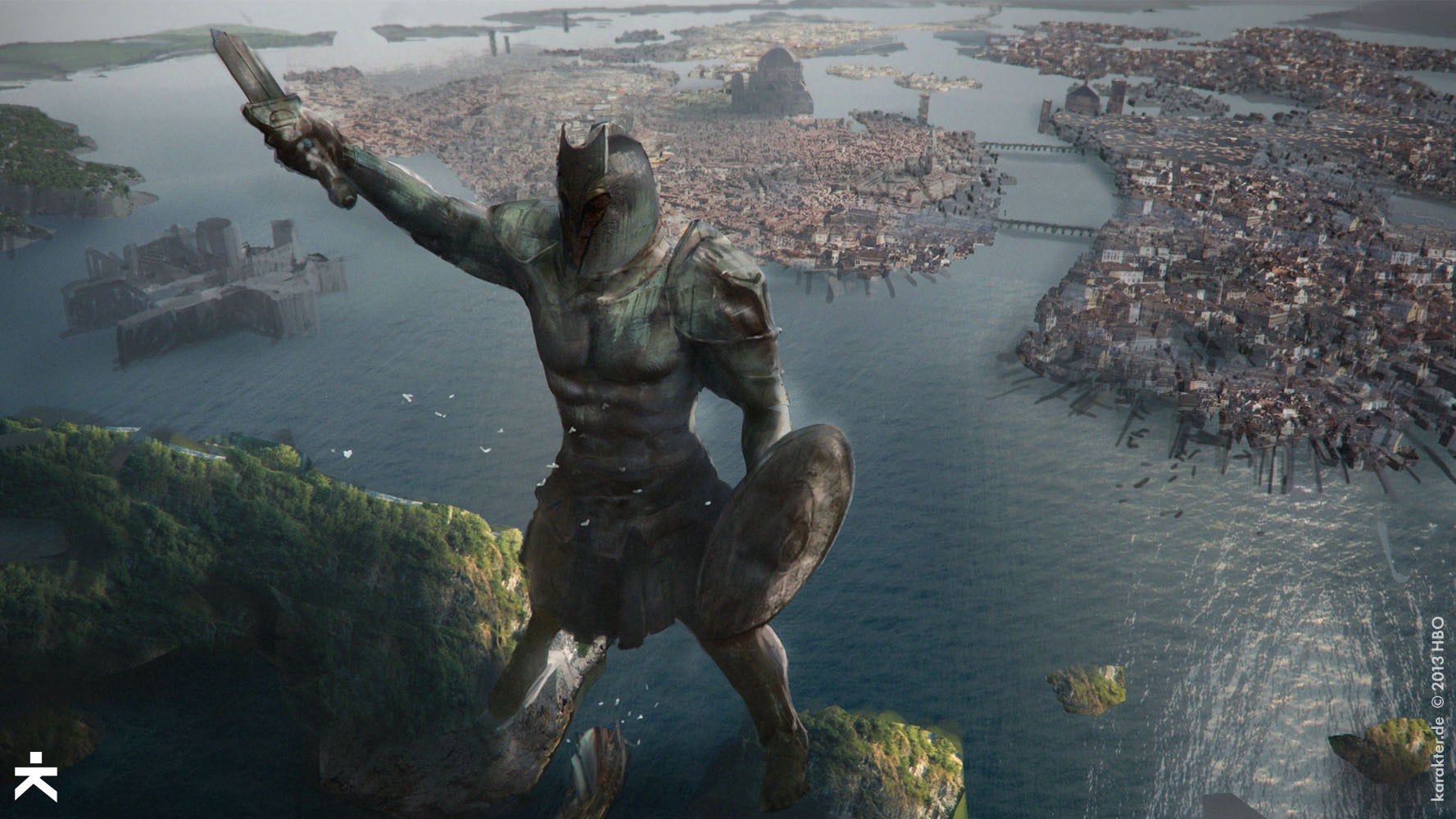
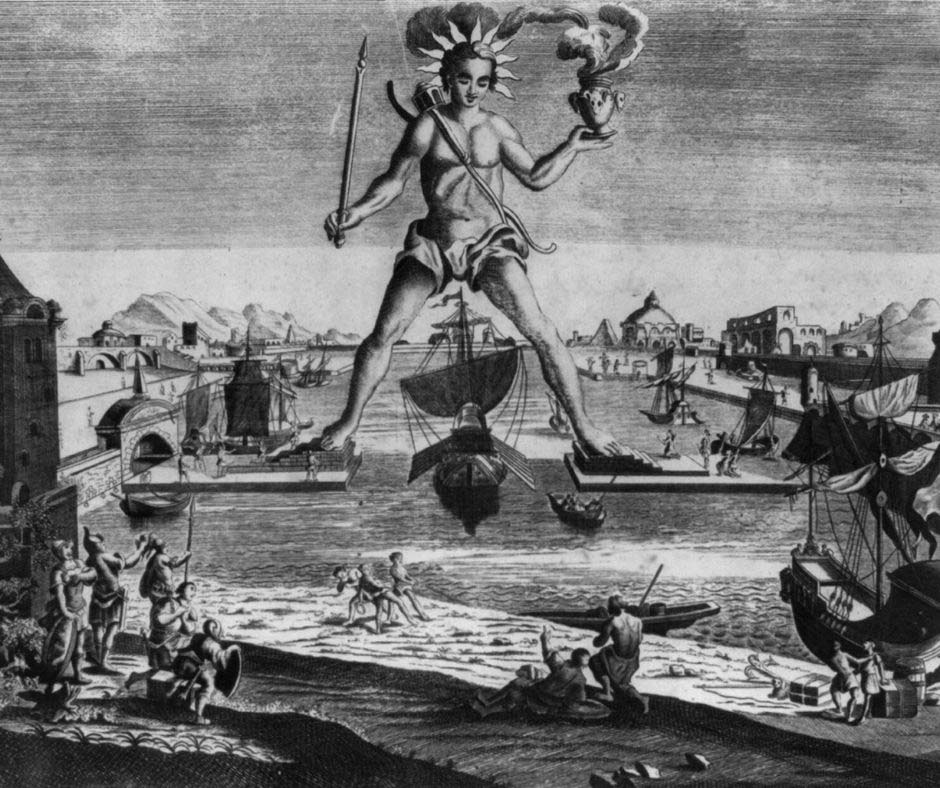
But the parallels kept coming. The Titan of Braavos and the Colossus of Rhodes. The Red Wedding and the the Black Dinner of Clan Douglas during the War of the Roses. The Castle Black’s Wall and Hadrian’s wall. Naively and perhaps stupidly, I had never considered history as an inspiration for fantasy.
I started to fantasize about applying my historical knowledge to create a plot for a novel. I realized that, while I was pursuing my doctorate in anthropology and converting my skillset to user experience research, I’d been involved in the intense study of culture and people for the past decade. I’d conducted hundreds of interviews with people from Argentina to Zambia. Empathy was my job. Maybe I could create some worthwhile characters. I knew about real-world magic too. Maybe that could help (with creating a magic system, not obtaining a book deal).
The primary problem was that I’d developed a revulsion to writing.
I think this happens to many grad students during the Ph.D. process. For me, the hatred was visceral. The idea of sitting down to write something recalled the painful, interminable, thankless, invisible task of writing my dissertation. I hadn’t had to write since August 2015 and the freedom had been glorious.
But the more I thought about it, I remembered times when it had not been that way. I used to love writing. In elementary school, I spontaneously wrote stories for my classmates. In high school, I delighted in writing a murder mystery play. In college, I realized that I was pretty good at writing when an English professor investigated an essay of mine for plagiarism because he didn’t believe a sophomore biology major could write like I did.
I didn’t like that grad school had robbed me of the joy of writing. It was as if something essential to my character had been amputated. But unlike a physical part, I could regrow it. I wanted that part of me back.
So I decided to harness my enthusiasm and start writing. For myself. For my friends and family. For the sake of itself.
Plague and Fable is me regaining the creativity, confidence and joy of telling stories on a page. I’m glad you’re here to share my journey.
-Chris
March 2021
 Christopher Golias
